
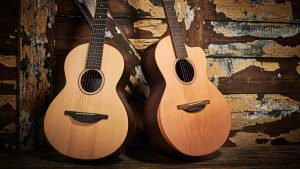
Introduction: Welcome to a captivating exploration of the Flamenco guitar, an art form that encapsulates the very essence of emotion, rhythm, and cultural heritage. In this blog, we’ll delve into the mesmerizing world of Flamenco guitar, uncovering its origins, distinctive features, and the profound impact it has on both music and culture.
The Origins of Flamenco Guitar: A Fusion of Cultures: Flamenco guitar finds its roots in the diverse cultural tapestry of Andalusia, Spain. A harmonious blend of Moorish, Spanish, Jewish, and Gypsy influences, this unique genre emerged as a heartfelt expression of the region’s rich history. The guitar, with its intricate melodies and rhythmic patterns, became an inseparable part of the Flamenco tradition, conveying tales of love, sorrow, and resilience.
Sensual Rhythms and Expressive Melodies: At the heart of Flamenco guitar lies an intricate interplay between rhythm and melody. Distinctive rhythmic patterns, known as “compás,” lay the foundation for the music’s evocative melodies. Each rhythm carries its own emotional undertones, from the exuberant “bulerías” to the mournful “soleá.” The guitar’s distinctive rasgueado and picado techniques create a canvas for passionate storytelling, allowing musicians to communicate their deepest feelings through the strings.
The Art of Improvisation: Duende and Emotional Catharsis: Central to Flamenco guitar is the concept of “duende” – an intangible force that connects performers and listeners on a profound emotional level. As guitarists immerse themselves in the music, they access a state of raw vulnerability, transcending technique and reaching into the realm of pure emotion. This authenticity of expression is what elevates Flamenco guitar to an art form that resonates with the soul.
Mastering the Flamenco Technique: A Lifelong Pursuit: Becoming a skilled Flamenco guitarist requires dedication, discipline, and a deep understanding of the genre’s intricacies. The techniques, such as “alzapúa,” “picado,” and “arpeggio,” demand meticulous practice to achieve the fluidity and precision essential to Flamenco’s captivating sound. Aspiring guitarists embark on a journey that’s not just about mastering a musical instrument, but also about embracing a cultural legacy.
Preserving Tradition, Embracing Innovation: While Flamenco guitar is firmly rooted in tradition, contemporary artists continue to infuse fresh perspectives into this timeless art form. Collaborations with musicians from various genres, incorporation of modern instruments, and the exploration of cross-cultural influences ensure that Flamenco guitar remains a living and evolving tradition.
Conclusion: The Flamenco guitar is not merely an instrument; it’s a storyteller, an emotional conduit, and a cultural treasure. Its resonant melodies and intricate rhythms have the power to transport both players and listeners to a realm of profound emotion and connection. As you embark on your journey to learn the Flamenco guitar, you’re not just acquiring a skill; you’re becoming part of a centuries-old legacy that pulses with the heartbeats of countless generations. So, grab your guitar and let the passionate world of Flamenco guide your fingers and your soul.